How to Choose a Singing Teacher in Hong Kong
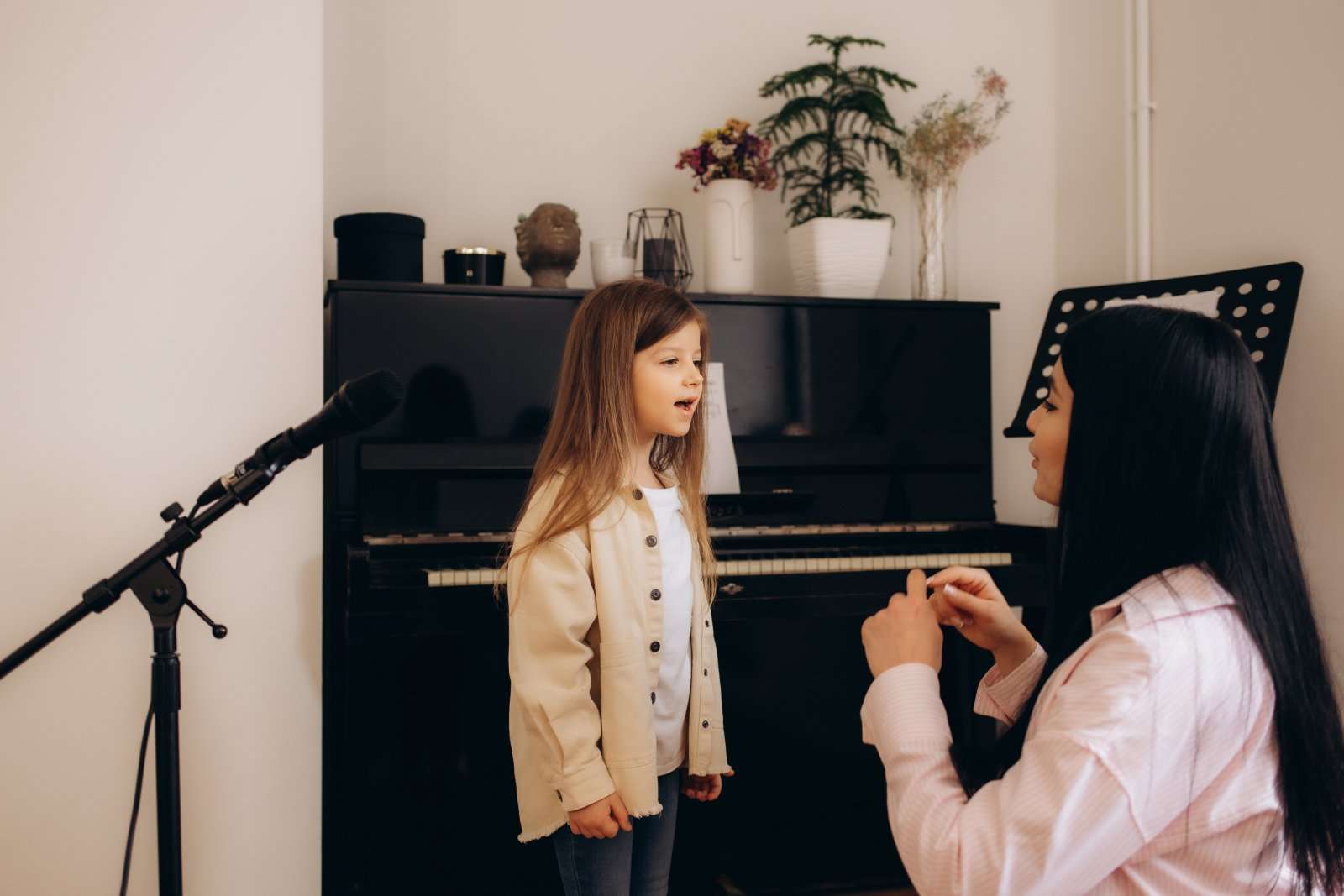
Hong Kong has no shortage of singing teachers. Between the exam-focused studios in Causeway Bay, the Cantopop coaches in Mong Kok and the conservatoire-trained teachers working out of Central, the difficulty is rarely finding someone — it is working out which of them is right for your voice.
Decide what you are actually training for
This is the question that narrows the field fastest, and the one most people skip. A teacher who prepares students for ABRSM and Trinity exams works very differently from one who coaches Cantopop, and both differ again from a musical theatre or choral specialist.
None of these is better. But a classical teacher will spend your first months on breath support and vowel shape, while a pop coach may start with microphone technique and styling. If you arrive wanting to sing at a friend's wedding and leave with a scale exercise, that is not a bad teacher — it is a mismatch, and one you can avoid by saying plainly what you want in the first email.
Qualifications matter, but not the way you think
A diploma tells you a teacher can sing. It does not tell you they can teach, and those are genuinely separate skills. Some of the best voice teachers in Hong Kong are competent rather than spectacular performers who happen to be unusually good at diagnosing what a student is doing wrong.
What is worth asking: how long have they taught, do they work with voices like yours, and have they taken students through the thing you want to do? A teacher who has never prepared anyone for a Grade 8 exam is a risky choice if that is your goal, however beautifully they sing.
The trial lesson tells you most of it
Almost every teacher in Hong Kong offers a paid trial lesson, and it is worth doing two or three before committing. Pay attention to what happens in that hour:
- Do they listen before they teach? A good first lesson spends real time hearing where your voice sits before prescribing anything.
- Can they explain why? "Support it more" is not instruction. "Your ribs are collapsing on the third bar, so the note loses its floor" is.
- Do you leave sounding different? Not better necessarily, but different. One small change you can feel is a strong sign.
- Is anything painful? Singing should never hurt. A teacher who pushes through discomfort is a teacher to leave.
The practical side
Lessons in Hong Kong typically run 45 minutes to an hour, weekly or fortnightly. Rates vary widely by district and by the teacher's background, so ask directly and ask what is included: some fees cover accompaniment and exam entry, others do not.
Consider travel honestly. A slightly better teacher forty-five minutes away tends to lose to a good teacher fifteen minutes away, because the one you actually attend every week is the one who improves your voice. Many teachers now offer online lessons, which work better for interpretation and repertoire than for the fine detail of tone.
What happens between lessons is where you improve
An hour a week is not what changes a voice. The practice in between is, and it is where most students quietly stall, because it is hard to hear your own pitch accurately while you are producing it.
Recording yourself is the oldest fix and still the best one. Apps such as Cadence go a step further and show your pitch as you sing, so you can see a note drifting flat rather than guess at it afterwards. That is useful for holding yourself honest between lessons — but it is no substitute for a live human teacher, who hears the tension you cannot feel and the habit you do not know you have.
Signs to walk away
Be wary of anyone who promises a specific result in a fixed time, who has one method for every voice regardless of range or repertoire, or who cannot tell you what they are working on and why. Vocal progress is slow and uneven by nature; a teacher who guarantees otherwise is selling something else.
In short
Say clearly what you want to sing, trial two or three teachers, and choose the one who explains rather than instructs. Then practise between lessons — that is the part that actually moves.


Recent Post
- How to Choose a Singing Teacher in Hong Kong
- The Rise of Personalised Learning in Hong Kong
- Discover the Passion: Learn Tango Dancing in Hong Kong
- The Physical and Mental Benefits of Practicing Martial Arts
- The Benefits of Learning Cantonese for Expats in Hong Kong
- Learn to Drive in Hong Kong: Legal Requirements and Application Process